
Views: 6 Author: Site Editor Publish Time: 2026-01-04 Origin: Site


When choosing a gearbox for your vehicle, it's essential to understand the key differences between OEM (Original Equipment Manufacturer) gearboxes and aftermarket gearboxes. Each type has its benefits and limitations, and understanding these differences can help you make a more informed decision. In this article, we will compare OEM gearboxes and aftermarket gearboxes, focusing on safety, reliability, cost, and performance to help you determine which option is best for your vehicle.
OEM gearboxes are those produced by the original manufacturer of the vehicle or an official partner. These gearboxes are designed to meet the exact specifications and quality standards set by the vehicle manufacturer. OEM gearboxes are often the recommended option by manufacturers and are commonly used as replacements during vehicle repairs.
Perfect Fit: Since OEM gearboxes are designed specifically for your vehicle, they fit seamlessly and require no modifications, ensuring optimal performance.
Quality Assurance: OEM gearboxes undergo rigorous testing to meet the vehicle manufacturer’s specifications, ensuring high-quality standards and durability.
Warranty: Most OEM gearboxes come with a warranty, offering peace of mind and protection against defects.
OEM Gearbox Benefits | Details |
Perfect Fit | Tailored to your vehicle’s specifications for seamless installation. |
High Quality | Manufactured to original factory standards. |
Warranty | Often comes with a warranty, offering protection. |
Longevity | Built to last as long as the original gearbox. |
Aftermarket gearboxes are produced by third-party manufacturers, not the original vehicle maker. These gearboxes are designed to fit a variety of vehicles but may not always match the exact specifications of the original part. Aftermarket gearboxes are often used as replacements when OEM gearboxes are unavailable, too expensive, or need upgrading for performance reasons.
Cost-Effective: Aftermarket gearboxes are typically less expensive than OEM gearboxes, making them a popular choice for budget-conscious buyers.
Variety: There is a wider range of aftermarket gearboxes available, offering options for performance upgrades and customization.
Availability: Aftermarket gearboxes are generally easier to find, especially for older models where OEM parts may no longer be produced.
Aftermarket Gearbox Benefits | Details |
Cost-Effective | Typically more affordable than OEM gearboxes. |
Variety | Offers a broader range of options, including performance upgrades. |
Availability | Easier to find for older or discontinued models. |
OEM Gearboxes: OEM gearboxes are made to the exact specifications of the original part, ensuring consistent performance. They are often considered the safest option since they meet the manufacturer’s standards and undergo thorough testing.
Aftermarket Gearboxes: While some aftermarket gearboxes can be of similar or even better quality than OEM parts, others may not meet the original manufacturer’s standards. The performance of an aftermarket gearbox depends heavily on the brand and manufacturing process.
OEM Gearboxes: Generally, OEM gearboxes are more expensive due to the quality assurance, brand reputation, and warranty that comes with them. OEM parts are priced higher because they are designed and produced by the vehicle manufacturer.
Aftermarket Gearboxes: Aftermarket gearboxes are typically more affordable, offering a cost-effective solution for those on a budget. While the price is lower, it may come at the expense of quality or warranty coverage.
Factor | OEM Gearboxes | Aftermarket Gearboxes |
Price | Higher due to manufacturing standards and warranty | More affordable but may lack warranty or additional services |
Quality | Consistent and high-quality, meeting vehicle standards | Varies depending on the manufacturer and quality control |
Warranty | Comes with a manufacturer’s warranty | Warranty may vary; not all aftermarket options come with a warranty |
OEM Gearboxes: One of the key advantages of OEM gearboxes is their reliability and safety. Since they are designed and tested by the original vehicle manufacturer, they provide a level of performance consistency that aftermarket gearboxes may not always offer.
Aftermarket Gearboxes: Although many aftermarket gearboxes meet or exceed industry standards, the risk of poor compatibility or lower quality is higher. If the gearbox is not designed specifically for your vehicle, it could lead to performance issues or even safety concerns, especially if it's not properly installed or tested.
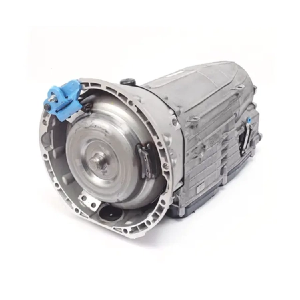
Perfect Compatibility: Since OEM gearboxes are built specifically for your vehicle, the chances of compatibility issues are minimal, reducing the risk of mechanical failures or safety problems.
Factory Testing: OEM gearboxes undergo extensive factory testing and quality control measures, ensuring that they meet safety standards.
Risk of Failure: The risk of premature failure is low with OEM gearboxes, making them a safer choice, especially for newer vehicles or those with higher performance needs.
Risk of Poor Fit: While many aftermarket gearboxes are designed to fit various vehicles, there is a risk of improper fit or performance issues, especially with low-quality aftermarket parts.
Quality Variance: Not all aftermarket gearboxes are created equal. Some manufacturers may cut corners in production, leading to reduced reliability and potential safety hazards.
Performance Upgrades: On the positive side, some performance-oriented aftermarket gearboxes may enhance the overall driving experience and vehicle handling, improving safety in high-performance vehicles. However, these upgrades may require additional vehicle modifications to ensure compatibility.
Newer Vehicles: For newer vehicles, especially if your car is still under warranty, opting for an OEM gearbox is usually the best choice. It guarantees a perfect fit and high-quality standards.
Warranty: If you want added peace of mind and protection against defects, an OEM gearbox is the safer option, as it comes with a warranty.
Long-Term Reliability: For those who prioritize long-term performance and reliability, an OEM gearbox ensures that your vehicle runs smoothly without issues.
Budget Constraints: If you are working with a tight budget, an aftermarket gearbox can be an affordable solution while still offering good performance.
Older Vehicles: If your vehicle is older and OEM parts are no longer available, an aftermarket gearbox is often the only choice. Make sure to buy from a reputable supplier to ensure quality.
Performance Upgrades: If you are looking for performance enhancements or customization, an aftermarket gearbox might be the right option. Many aftermarket options are designed to enhance vehicle handling, response time, and speed.
Perfect Fit: OEM gearboxes are specifically designed for your vehicle, ensuring a precise fit and reliable operation.
High Quality: These gearboxes are built to the manufacturer’s original standards, ensuring top-notch quality and longevity.
Warranty Protection: Most OEM gearboxes come with a warranty, offering protection against potential defects or issues.
Safety: The chances of compatibility issues or failures are minimal with OEM gearboxes.
Higher Price: OEM gearboxes are more expensive due to the cost of manufacturing, testing, and providing warranties.
Limited Options: OEM gearboxes may not offer the same variety or customization options as aftermarket alternatives.
Affordable: Aftermarket gearboxes are often less expensive than OEM gearboxes, making them a good choice for budget-conscious buyers.
Variety and Customization: Aftermarket gearboxes offer more choices for those looking to upgrade performance or modify their vehicle.
Availability: Aftermarket gearboxes are more readily available, especially for older or discontinued models.
Quality Variance: The quality of aftermarket gearboxes can vary greatly between manufacturers, and some may not meet OEM standards.
Fit and Compatibility Issues: Aftermarket gearboxes may not always fit as precisely as OEM gearboxes, leading to performance issues or safety concerns.
No Warranty: Not all aftermarket gearboxes come with a warranty, and some may offer shorter coverage than OEM parts.
When deciding between an OEM gearbox and an aftermarket gearbox, your choice should align with your priorities, such as budget, performance, and vehicle type. OEM gearboxes offer superior reliability, safety, and long-term performance, making them ideal for most vehicle owners. Aftermarket gearboxes, while more affordable and customizable, may come with higher risks of compatibility issues and reliability concerns. At Super5 Auto, we offer a wide selection of both OEM and aftermarket gearboxes tailored to your needs. Contact us today to find the perfect gearbox solution, backed by expert guidance and support.
OEM gearboxes are made by the original vehicle manufacturer and designed to meet the vehicle's exact specifications. Aftermarket gearboxes are produced by third-party manufacturers and may vary in quality and fit.
OEM gearboxes are generally more reliable as they are designed and tested by the vehicle manufacturer. Aftermarket gearboxes can vary in quality, and lower-quality options may not be as reliable.
Yes, aftermarket gearboxes are typically more affordable than OEM gearboxes, but they may come with a greater risk of quality issues.
If you are looking for long-term reliability, warranty protection, and a perfect fit, OEM gearboxes are the safer choice. If you're on a budget or looking for performance upgrades, aftermarket gearboxes might be the better option.
Some aftermarket gearboxes come with a warranty, but it is typically shorter and less comprehensive than the warranty offered with OEM gearboxes.

