
Views: 17 Author: Site Editor Publish Time: 2026-01-31 Origin: Site


The transmission system is a critical component of any vehicle, responsible for ensuring smooth power delivery from the engine to the wheels. The gearbox oil (or transmission fluid) plays a crucial role in keeping the transmission running smoothly. However, many drivers overlook the importance of regular gearbox oil changes.
In the UAE, where temperatures can reach extreme levels, the need for timely gearbox oil changes becomes even more critical. In this article, we’ll explore the importance of gearbox oil, how often it should be changed, and why it’s essential for the longevity and performance of your vehicle’s transmission, especially in the UAE climate.
Gearbox oil, also known as transmission fluid, is a lubricant used to keep the various parts of the gearbox functioning smoothly. It reduces friction, prevents overheating, and ensures that the gears shift smoothly. Without adequate lubrication, transmission components can wear out quickly, leading to costly repairs.
Transmission fluid serves several purposes:
Lubrication: It lubricates moving parts within the transmission, reducing friction and preventing wear.
Cooling: Transmission fluid helps to cool down the gearbox, which can heat up due to constant use.
Cleaning: Transmission fluid removes metal shavings and dirt, keeping the gearbox clean.
Hydraulic Function: In automatic transmissions, fluid is also used to operate the hydraulic system responsible for gear shifting.
Automatic Transmission Fluid (ATF): Used in automatic transmissions, it provides lubrication and hydraulic power.
Manual Transmission Oil: Often thicker than ATF, it’s designed for manual gearboxes.
CVT Fluid: Used in vehicles with Continuously Variable Transmissions, these fluids are designed to handle the specific demands of CVTs.
Dual-Clutch Transmission Fluid: Special fluid for dual-clutch transmissions, ensuring proper lubrication and cooling.
Transmission systems generate a lot of heat, particularly in harsh climates like the UAE. Old or low-quality gearbox oil can lose its effectiveness and fail to cool the transmission adequately. This can cause the transmission to overheat, leading to significant damage.
Low or dirty oil can cause the gears to slip, making it harder to engage the right gear or causing jerky transitions. Regular oil changes help ensure that the gearbox operates smoothly without slipping.
Without sufficient lubrication, the metal components inside the gearbox can grind against each other, causing accelerated wear and tear. This can result in costly repairs or even the need for a full transmission replacement.
Clean transmission fluid ensures that the gears shift smoothly and seamlessly, providing a more comfortable driving experience. Jerky or rough shifts are often a sign that the fluid is either low or contaminated.
The frequency of gearbox oil changes can vary depending on several factors:
Driving Conditions: In the UAE, where temperatures can soar above 40°C in the summer, the transmission oil may degrade faster due to the heat.
Type of Transmission: Different types of gearboxes (automatic, manual, CVT) require different oil change intervals.
Manufacturer Recommendations: Always refer to your vehicle’s owner’s manual for specific oil change intervals.
Here are general guidelines for how often you should change your gearbox oil in the UAE:
Transmission Type | Recommended Oil Change Interval (UAE) | Factors to Consider |
Automatic Transmission (AT) | Every 30,000 to 60,000 kilometers | High temperatures and stop-and-go driving in the UAE may shorten this interval. |
Manual Transmission | Every 50,000 to 100,000 kilometers | Less frequent oil changes required compared to automatic transmissions. |
CVT Transmission | Every 60,000 to 100,000 kilometers | Fluid degradation can be quicker in extreme heat. |
Dual-Clutch Transmission | Every 40,000 to 60,000 kilometers | Requires specific fluid for dual-clutch systems. |
High Temperatures: Extreme heat can cause the transmission fluid to degrade faster, requiring more frequent changes.
Frequent Short Trips: Short trips in urban areas can lead to more wear on the transmission, requiring more frequent fluid changes.
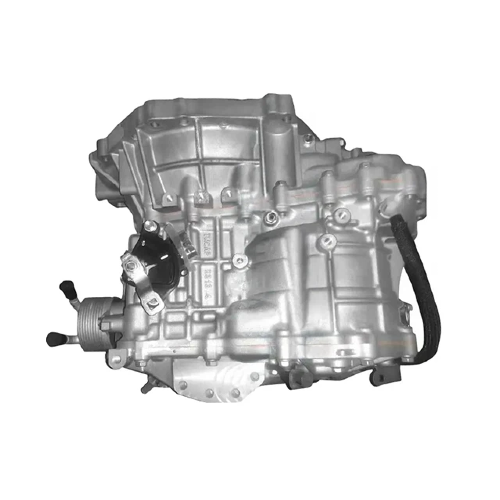
If your gearbox is slipping out of gear or not staying in the selected gear, it could be a sign that the transmission fluid is low or dirty, affecting the hydraulic pressure required for smooth operation.
If your vehicle hesitates before shifting gears or jerks during gear transitions, it may indicate a lack of sufficient or effective fluid. This could be due to the oil losing its lubrication properties.
Grinding or whining noises while shifting gears are often a result of low or dirty gearbox oil. These noises indicate that the gears are not properly lubricated and are grinding against each other.
If your transmission is overheating, it could mean that the fluid is either insufficient or degraded, and it’s no longer performing its cooling function properly.
Transmission fluid should be a bright red or pink color. If it’s dark brown or smells burnt, it’s time to change the fluid.
Drain the Old Fluid: The first step is to drain the old, used transmission fluid. This is usually done through a drain plug located at the bottom of the gearbox.
Replace the Filter (If Applicable): Some transmission systems have a filter that needs to be replaced to ensure clean fluid circulation.
Refill with Fresh Fluid: After draining, new transmission fluid is added to the gearbox to the correct level. It’s essential to use the type of fluid specified for your vehicle.
Test the Transmission: After refilling the oil, the gearbox is tested to ensure smooth operation and proper fluid levels.
While some drivers may opt to change the oil themselves, it is often best to have it done by professionals to ensure the correct fluid is used and that all steps, such as fluid level checks and filter replacement, are properly carried out. Professional service also helps avoid mistakes that could lead to transmission damage.
Regular oil changes help extend the life of your transmission by preventing overheating, wear, and contamination of the gearbox components.
Fresh oil ensures smooth gear transitions, providing a more comfortable driving experience, particularly in automatic transmissions where gear shifts are more frequent.
By maintaining clean and sufficient fluid levels, you can avoid costly transmission repairs or replacements. Regular oil changes help identify potential issues before they escalate into major problems.
Inspect Fluid Levels: Check the fluid levels regularly, especially before long trips, to ensure they’re within the recommended range.
Check Fluid Condition: If the fluid looks discolored, dirty, or has a burnt smell, it’s time for a change.
Avoid Overloading: Avoid heavy loads, as this can put extra strain on the transmission and accelerate fluid degradation.
Smooth Driving: Smooth acceleration and braking help reduce wear on the transmission, preventing excessive fluid breakdown.
Adhere to your vehicle's maintenance schedule, especially if you drive in harsh conditions like those in the UAE. Regular service checks can catch issues before they become expensive repairs.
In the extreme heat of the UAE, regular gearbox oil changes are essential to keep your transmission running smoothly and efficiently. Whether your vehicle has a manual, automatic, or CVT transmission, adhering to recommended oil change intervals is key to maintaining performance and avoiding costly repairs. If you're uncertain about your oil change needs or noticing transmission issues, we recommend reaching out to us. At Super5 Auto, our team of experts provides professional advice and high-quality service to ensure your vehicle performs optimally in the UAE’s challenging conditions. Contact us today for assistance!
How often should I change my gearbox oil in the UAE?
In the UAE, it’s recommended to change the gearbox oil every 30,000 to 60,000 kilometers for automatic transmissions, and 60,000 to 100,000 kilometers for CVT transmissions, due to the high temperatures.
Can I change my gearbox oil myself?
While it is possible, it’s highly recommended to have the oil change done by professionals to ensure the right type of fluid and proper procedure are followed.
What are the signs that my gearbox oil needs changing?
Slipping gears, delayed shifting, unusual noises, overheating transmission, and discolored fluid are common signs.
What type of gearbox oil should I use for my vehicle?
Always use the specific fluid type recommended by your vehicle’s manufacturer. Consult the owner’s manual or a professional for guidance.
Why should I change my gearbox oil regularly?
Regular oil changes help prevent overheating, reduce wear on the transmission, and ensure smooth gear shifting, thus avoiding costly repairs in the future.

