
Views: 340 Author: Site Editor Publish Time: 2025-12-14 Origin: Site


Automatic gearbox jerking is a common issue many car owners face, especially in hot climates. This phenomenon is characterized by sudden, jolting movements during gear shifts, which can make driving uncomfortable and, if unresolved, dangerous. If you live in or often drive through areas with high temperatures, it is crucial to understand how extreme heat affects your vehicle's transmission system. In this guide, we will explore the causes, diagnosis, prevention, and solutions for automatic gearbox jerking in hot climate conditions.
Gearbox jerking, or transmission jerking, occurs when a vehicle's transmission system fails to smoothly transition between gears. This issue typically manifests as a sudden jolt or shock when shifting from one gear to another. While gearbox jerking can happen in any climate, it is more pronounced in hot conditions due to the strain placed on the transmission and cooling systems.
In hot climates, the temperature can have a significant impact on your vehicle’s automatic transmission system. Below are the primary reasons why your gearbox may jerk in such conditions:
Transmission fluid plays a crucial role in lubricating the internal parts of the gearbox. However, in hot temperatures, the fluid can degrade, thinning out and losing its ability to effectively lubricate. This results in poor shifting performance and jerking.
When driving in high heat, especially in stop-and-go traffic or on long drives, the transmission system may overheat. Excessive heat can cause the transmission to function improperly, leading to jerking, slipping, or even total transmission failure.
Extreme heat accelerates the wear of various transmission components, such as the valve body, clutches, and solenoids. As these parts become worn or damaged, it becomes harder for the transmission to shift smoothly, resulting in jerking.
The cooling system is responsible for regulating the transmission temperature. If the cooling system fails or is insufficient, the transmission will overheat, leading to jerking issues.
Diagnosing gearbox jerking in hot climates involves observing a few key signs and performing some checks. Below are the steps to accurately diagnose the issue:
The first step in diagnosing gearbox jerking is to pay attention to how the vehicle behaves when driving. If you notice a sudden, jarring motion when the car shifts gears, it could be a sign of gearbox jerking.
One of the most common causes of gearbox jerking is old or low transmission fluid. To check the fluid:
Color: Fresh transmission fluid should be red or pink. If the fluid is dark brown or black, it may be degraded and needs to be replaced.
Smell: Burnt or unusual smells indicate overheating and fluid degradation.
Level: Low transmission fluid can cause jerking due to insufficient lubrication.
For a more precise diagnosis, use an OBD-II scanner to read the trouble codes stored in the vehicle’s transmission control module (TCM). These codes can indicate problems with sensors, solenoids, or other transmission components, helping pinpoint the cause of jerking.
Diagnostic Tool | Purpose | Action |
OBD-II Scanner | Check error codes | Identify specific fault codes |
Fluid Check | Inspect fluid condition | Check color, smell, and level |
The best way to avoid gearbox jerking is through proactive maintenance and smart driving habits. Here are some effective prevention tips for hot climate conditions:
Change your transmission fluid at the recommended intervals, especially if you live in a hot climate. High-quality fluid that is designed for high temperatures can help prevent jerking by maintaining lubrication and cooling.
Keep your vehicle's cooling system in top shape. This includes regular checks of the radiator, coolant level, and transmission cooler. Make sure the cooling system is capable of managing the added heat from the transmission in high temperatures.
In hot climates, using the correct transmission fluid is essential. Some fluids are designed specifically for high temperatures, which can reduce the risk of overheating and jerking.
Avoid prolonged high-speed driving, as excessive heat buildup during long trips can cause the transmission to overheat. Additionally, avoid aggressive starts and stops, as this can put unnecessary strain on the transmission.
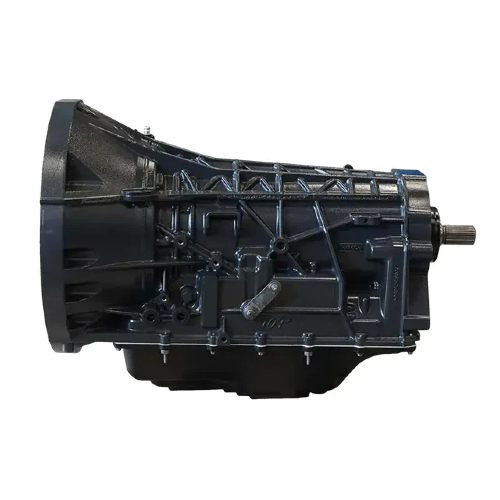
If your vehicle is experiencing gearbox jerking, the problem can often be solved through the following steps:
If the jerking is due to degraded or low transmission fluid, changing the fluid is the first step. Ensure that the fluid is replaced with the correct type, and consider flushing the transmission to remove debris.
For issues caused by wear and tear on internal components, such as the valve body or solenoids, repairs may be necessary. In some cases, these parts will need to be replaced to restore smooth shifting performance.
If the transmission is overheating, repairing or replacing any damaged cooling components is essential. This could involve replacing a faulty radiator or ensuring the transmission cooler is functioning properly.
In some cases, the issue may be related to the transmission’s electronic control system. Resetting or reprogramming the ECM may resolve jerking caused by faulty sensor readings or electronic miscommunication.
Gearbox jerking in hot climates is a common issue caused by factors such as degraded transmission fluid, overheating, and worn internal components. If left unaddressed, this problem can lead to costly repairs and a poor driving experience. To avoid these issues, it's crucial to maintain your transmission fluid, ensure your cooling system is functioning properly, and adopt smart driving habits to reduce strain on the gearbox.
At Super5 Auto, we specialize in diagnosing and addressing gearbox issues, including jerking problems in hot climates. Our team of experts is equipped to perform thorough inspections and offer tailored solutions, ensuring your transmission operates smoothly and efficiently. By trusting us with your transmission care, you can prevent further damage and enjoy a safer, more comfortable driving experience. Feel free to reach out to us for more information or to schedule a consultation. We're here to help you keep your vehicle in top condition.
Q1: Why does my gearbox jerk more often in hot weather?
A1: In hot weather, transmission fluid tends to degrade faster, losing its lubricating properties. Additionally, high temperatures can cause the transmission to overheat, leading to jerking during gear shifts.
Q2: How can I prevent gearbox jerking in hot conditions?
A2: Regularly change your transmission fluid, ensure the cooling system is working correctly, and avoid long periods of aggressive driving to prevent overheating.
Q3: Can low transmission fluid cause jerking?
A3: Yes, low or degraded transmission fluid can cause jerking as it fails to adequately lubricate and cool the transmission components.
Q4: How often should I change the transmission fluid in hot climates?
A4: It is recommended to change your transmission fluid every 30,000 to 60,000 miles, or more frequently in extremely hot conditions.
Q5: Is gearbox jerking dangerous?
A5: Yes, if left unchecked, gearbox jerking can lead to transmission failure. It’s important to diagnose and address the issue promptly to avoid serious damage to the transmission.

