
Views: 41 Author: Site Editor Publish Time: 2026-02-09 Origin: Site


A transmission solenoid plays a crucial role in the proper functioning of an automatic transmission system. It regulates the flow of transmission fluid, enabling the vehicle to shift gears smoothly. However, when a gearbox solenoid goes bad, it can lead to various transmission problems, including erratic shifting, slipping gears, and more. In this article, we will explore the common issues that arise when a gearbox solenoid fails, how it affects vehicle performance, and the steps you can take to fix it.
Transmission solenoids are electromagnetic devices that help control the flow of transmission fluid in an automatic transmission system. They play a vital role in engaging and disengaging gears, regulating hydraulic pressure, and ensuring smooth shifting.
Type of Solenoid | Function |
Shift Solenoids | Control gear shifting by directing hydraulic fluid. |
Pressure Control Solenoids | Regulate the fluid pressure in the transmission to ensure smooth gear transitions. |
Torque Converter Lock-up Solenoids | Help lock the torque converter in place to improve fuel efficiency and reduce engine load. |
Transmission solenoids receive electrical signals from the vehicle's ECU (Engine Control Unit) or TCU (Transmission Control Unit). When activated, the solenoid opens or closes fluid channels in the transmission, controlling the flow of transmission fluid to different parts of the gearbox. This fluid flow regulates gear shifts, pressure, and torque, ensuring the transmission operates efficiently.
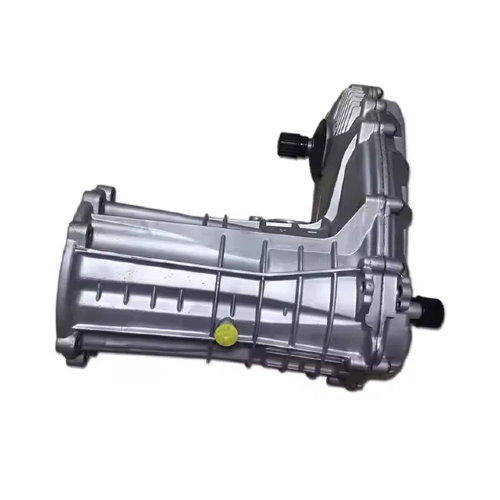
When a gearbox solenoid goes bad, it can lead to several issues with the vehicle's transmission. The most common symptoms include:
Erratic or Harsh Shifting: One of the first signs of a faulty solenoid is erratic or rough gear shifts. The transmission may shift abruptly or delay shifting, making the driving experience uncomfortable.
Vehicle Sticking in Gear: If the solenoid fails, the transmission might get stuck in a particular gear. This often happens in either a high or low gear and can make it difficult to accelerate or decelerate.
Slipping Gears: A bad solenoid can cause the gears to slip unexpectedly. This happens when the vehicle unexpectedly shifts gears or the car loses power, especially when trying to accelerate.
Warning Lights: Transmission warning lights on the dashboard, including the "Check Engine" light, are often triggered by solenoid issues. A malfunctioning solenoid may also set off a specific transmission-related error code.
There are several common causes of a failing solenoid in the transmission:
Cause | Description |
Electrical Issues | Worn-out or corroded wiring, poor connections, or electrical malfunctions can prevent the solenoid from receiving the proper signal. |
Clogged or Contaminated Fluid | Dirty or contaminated transmission fluid can clog the solenoid, preventing it from functioning correctly. |
Wear and Tear | Over time, solenoids can wear out due to high mileage, extreme temperatures, or harsh driving conditions, leading to failure. |
Faulty ECU/TCU Signals | A malfunction in the vehicle's ECU or TCU can cause incorrect or delayed signals to the solenoid, affecting its performance. |
Decreased Efficiency: A faulty solenoid can disrupt the fluid flow, causing the transmission to operate inefficiently. This leads to rough shifts, reduced fuel efficiency, and a noticeable decline in overall vehicle performance.
Potential Transmission Damage: If the issue is not addressed, a malfunctioning solenoid can cause further damage to the transmission. For example, it can lead to overheating, excessive wear on gears, and ultimately more severe mechanical problems.
The first step in fixing a gearbox solenoid issue is diagnosing the problem. Here’s how it can be done:
Using Diagnostic Tools:
A professional mechanic will use an OBD-II scanner to check for any trouble codes related to the transmission. If the solenoid is at fault, the scanner will typically indicate a specific solenoid-related error code (e.g., P0750 for a shift solenoid problem).
Visual Inspection:
The solenoid and surrounding wiring should be inspected for any visible damage, such as broken wires or corrosion. A mechanic may also check the transmission fluid condition to see if it’s dirty or contaminated, which could affect the solenoid's performance.
Once the faulty solenoid has been diagnosed, replacing it is usually the most effective solution.
How to Replace a Transmission Solenoid:
Drain the Transmission Fluid: The first step is to drain the old transmission fluid.
Remove the Transmission Pan: To access the solenoid, the transmission pan must be removed. This step requires unbolting the pan and potentially removing other components.
Replace the Faulty Solenoid: Once the solenoid is located, it can be replaced. The new solenoid is installed in place of the old one.
Reinstall and Refill: After the solenoid is replaced, the transmission pan is reattached, and new fluid is added to the system.
Cost of Replacing a Transmission Solenoid:
The cost to replace a transmission solenoid can vary depending on the vehicle make and model, but on average, it can range from $150 to $500. This price typically includes parts and labor, although some vehicles may require more extensive labor, which can increase the cost.
Regular Transmission Fluid Maintenance:
Changing the transmission fluid regularly helps prevent the buildup of dirt and debris that can clog the solenoid. Clean fluid ensures smooth operation of all transmission components, including the solenoid.
Regular Inspections:
Having the transmission system inspected during routine maintenance allows for early detection of any potential issues with the solenoid or related components. Catching problems early can save time and money in the long run.
A bad gearbox solenoid can cause numerous transmission issues, such as harsh shifting and gear slippage, affecting your vehicle’s performance and safety. By understanding the symptoms and causes of solenoid failure, you can take the necessary steps to diagnose and fix the issue. At Super5 Auto, we specialize in diagnosing and repairing transmission solenoid problems. Regular maintenance, including fluid changes and inspections, is essential to prevent these issues in the future. Contact us today to learn how our expert team can help keep your transmission running smoothly.
1. How do I know if my gearbox solenoid is bad?
If you notice erratic or harsh shifting, slipping gears, or the vehicle sticking in gear, these could be signs of a bad solenoid. Warning lights on the dashboard, such as the Check Engine light, may also indicate solenoid issues.
2. What causes a gearbox solenoid to fail?
Common causes include electrical issues, clogged or contaminated transmission fluid, general wear and tear, and faulty signals from the ECU/TCU.
3. Can a bad solenoid cause my car to stall?
Yes, a bad solenoid can cause the car to stall, especially if it leads to improper fluid flow, causing the transmission to become stuck in one gear.
4. How much does it cost to replace a gearbox solenoid?
The cost of replacing a gearbox solenoid typically ranges from $150 to $500, depending on the vehicle and the complexity of the repair.
5. Can I drive with a bad solenoid?
It is not advisable to drive with a faulty solenoid. Continuing to drive can cause further transmission damage and lead to more costly repairs.


