
Views: 198 Author: Site Editor Publish Time: 2026-02-08 Origin: Site


Gearbox shuddering is a common issue that many car owners face, particularly when it comes to automatic transmissions. It’s characterized by vibrations or jerky movements when accelerating or shifting gears, which can significantly impact the driving experience. In this article, we will explore the causes of gearbox shuddering, how to fix it, and how to prevent it from happening in the future. Understanding this problem and the steps to resolve it is crucial for keeping your vehicle’s gearbox in top condition.
Gearbox shuddering occurs when there is a disruption in the smooth operation of the transmission. This can happen for several reasons, including:
Cause | Description |
Low or Contaminated Transmission Fluid | Low or old transmission fluid can prevent the gearbox from shifting smoothly, causing vibrations or jerking. |
Worn or Damaged Clutch | A worn or damaged clutch causes uneven power transfer, leading to shuddering when the car shifts gears. |
Faulty Torque Converter | If the torque converter's lock-up clutch malfunctions, it can lead to erratic shifts, causing shuddering. |
Worn or Misaligned Transmission Parts | Worn-out gears, bearings, or shafts in the gearbox can create vibrations that lead to shuddering. |
Software or ECU Issues | In modern vehicles, ECU malfunctions can lead to improper shifting and contribute to gearbox shuddering. |
Before attempting to fix the issue, it's important to recognize the signs of gearbox shuddering. Some common symptoms include:
Vibrations or jerking during acceleration or shifting
Unusual noises from the transmission
Delayed or harsh shifting between gears
Check engine or transmission warning lights on the dashboard
These signs can help you determine whether gearbox shuddering is the issue and if further inspection or repair is needed.
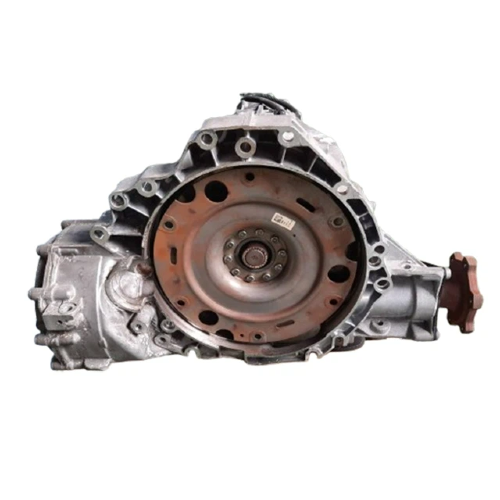
One of the most common causes of gearbox shuddering is low or dirty transmission fluid. Here’s how you can address this issue:
Why Clean Fluid is Essential:
Clean, properly-filled transmission fluid is crucial for smooth shifting and preventing shuddering. Old or contaminated fluid can cause poor lubrication and overheat the transmission, leading to shuddering.
How to Check and Replace Fluid:
Check Fluid Levels: First, locate the transmission dipstick (if applicable) and check the fluid level. If it's low, top it up with the appropriate type of transmission fluid.
Replace Old Fluid: If the fluid is dark or smells burnt, it’s time for a replacement. Typically, transmission fluid should be changed every 30,000 to 60,000 miles, depending on the vehicle and driving conditions.
Flush the Transmission (Optional): Some vehicles may benefit from a full fluid flush, especially if the transmission fluid has never been replaced before.
A worn or damaged clutch can also cause gearbox shuddering, particularly in manual or semi-automatic vehicles. Here's how to deal with it:
Signs of a Worn Clutch:
Slipping or difficulty shifting gears
Grinding noises when changing gears
A soft or spongy clutch pedal
How to Replace a Worn Clutch:
Diagnose the Clutch: If you notice the above symptoms, the clutch might be the culprit. Test the clutch by pressing it and observing any unusual behaviors.
Replace the Clutch: Replacing a clutch is a complicated job that involves removing the gearbox, so it is best done by a professional mechanic. The replacement process includes removing the old clutch and installing a new one, along with any necessary adjustments.
Clutch Maintenance Tips:
Avoid resting your foot on the clutch pedal when not shifting to reduce unnecessary wear.
Shift smoothly and avoid abrupt gear changes to extend the life of the clutch.
The torque converter plays a critical role in transmitting power from the engine to the gearbox. If it malfunctions, it can cause shuddering, particularly during acceleration. Here’s how to handle this issue:
Diagnosing Torque Converter Issues:
If you hear strange noises like whining or grinding when accelerating, it may indicate a torque converter issue.
A rough or erratic idle or a noticeable delay in acceleration can also be signs of torque converter problems.
Repair or Replace the Torque Converter:
Depending on the severity of the issue, the torque converter may either need a repair or a full replacement.
Replacing a torque converter requires removing the gearbox, which can be time-consuming and expensive. Always consult a professional mechanic for a thorough diagnosis.
In some cases, gearbox shuddering is caused by worn or misaligned components within the transmission, such as gears, bearings, or shafts. These parts can cause vibrations that lead to shuddering during driving.
Identifying Worn or Misaligned Parts:
A professional mechanic will typically inspect the gearbox to identify damaged or worn components.
Common issues include worn-out gears, damaged bearings, and misaligned shafts.
Repairing or Replacing Transmission Parts:
Once the damaged parts are identified, they will need to be replaced to restore proper functioning of the gearbox. This might involve a partial or full gearbox rebuild, depending on the extent of the damage.
Modern vehicles are equipped with sophisticated ECU systems that control gear shifting. Sometimes, software glitches or ECU malfunctions can contribute to gearbox shuddering.
When to Check for Software Issues:
If no physical issues are found in the transmission or clutch system, software or ECU problems might be the culprit.
Symptoms include erratic shifting, delayed shifts, or rough transitions between gears.
How to Update or Reprogram the ECU:
ECU software issues can typically be resolved by resetting or reprogramming the ECU. This is often done at the dealership or a specialized service center with access to the manufacturer’s diagnostic tools.
Fluid Change Frequency:
Change your transmission fluid regularly—typically every 30,000 to 60,000 miles—depending on your vehicle's requirements. This can prevent fluid contamination and help avoid shuddering in the future.
Smooth Shifting Techniques:
Avoid sudden starts, hard acceleration, and rapid shifts. Driving smoothly reduces the strain on your transmission and extends its lifespan.
Routine Check-ups:
Have your gearbox and transmission system inspected regularly by a professional mechanic. This ensures any potential issues are caught early before they turn into major problems.
Gearbox shuddering can be a frustrating issue, but with the right approach, it is usually fixable. By addressing causes like low transmission fluid, worn clutches, or torque converter issues, you can restore your vehicle’s smooth performance. Regular maintenance, proper driving habits, and timely repairs are key to preventing future shuddering. For professional gearbox repairs and expert solutions, we at Super5 Auto offer comprehensive services to ensure your vehicle runs smoothly. Contact us today to learn how we can assist with your gearbox needs and keep your car in top condition.
1. What are the common signs of gearbox shuddering?
Gearbox shuddering is often characterized by vibrations, jerky movements, or noise when accelerating or shifting gears.
2. How can I tell if the transmission fluid is causing the shuddering?
If the transmission fluid is low, dirty, or smells burnt, it’s likely contributing to the shuddering. Check and replace the fluid to see if the issue resolves.
3. Can a worn clutch cause gearbox shuddering?
Yes, a worn clutch can cause uneven power transfer, leading to shuddering. If you experience slipping or difficulty shifting, the clutch may need to be replaced.
4. How do I fix a faulty torque converter causing shuddering?
If the torque converter is causing the issue, it may need to be repaired or replaced. Common signs of torque converter failure include strange noises and rough acceleration.
5. Can software or ECU problems cause gearbox shuddering?
Yes, software glitches or ECU issues can disrupt gear shifting and lead to shuddering. Updating or resetting the ECU can often resolve this problem.

