
Views: 144 Author: Site Editor Publish Time: 2026-01-22 Origin: Site


The gearbox valve body is an integral part of your vehicle’s transmission system, playing a pivotal role in the proper functioning of your transmission. Over time, valve bodies can experience issues such as wear, clogging, or faulty solenoids, leading to shifting problems. The question arises: can a gearbox valve body be repaired? In this article, we will explore this question in detail, diving into the common issues, repair processes, and costs associated with gearbox valve body repair.
The gearbox valve body is essentially the control center of your vehicle’s transmission. It is a complex network of valves, solenoids, and channels that control the flow of transmission fluid. This fluid regulates hydraulic pressure, which, in turn, ensures that the transmission shifts smoothly.
The primary function of the gearbox valve body is to manage the hydraulic pressure needed for the proper functioning of the gears. It regulates fluid flow to various parts of the transmission, ensuring that the gears engage and disengage properly. If there are issues with the valve body, it can lead to erratic or delayed shifting, overheating, and overall transmission malfunctions.
Like all components in a vehicle’s transmission system, the gearbox valve body can encounter several issues that affect its performance. Some of the most common problems include:
One of the most frequent problems with the gearbox valve body is the buildup of dirt, debris, or metal shavings. Over time, these contaminants can clog the small channels inside the valve body, disrupting fluid flow and causing shifting problems.
As the gearbox valve body is subjected to constant pressure and heat, its internal components can wear down. This wear can lead to misalignment of the valves or a reduction in their ability to regulate fluid flow effectively.
The solenoids in the valve body control the flow of transmission fluid. When these solenoids fail, it can cause shifting issues, such as delayed gear changes or jerking motions.
Worn seals or damaged gaskets can cause fluid leaks, resulting in low fluid levels and inadequate hydraulic pressure. This can lead to poor shifting performance or transmission failure.
In most cases, a gearbox valve body can be repaired. However, whether you should repair or replace the valve body depends on the severity of the damage. Minor issues, such as clogged channels or faulty solenoids, can often be fixed. However, if the valve body is severely damaged or worn beyond repair, replacement may be the only option.
Repairing the gearbox valve body is a viable option if:
The damage is relatively minor, such as clogged valves or small fluid leaks.
The valve body has not been subjected to severe wear that has compromised its structural integrity.
You wish to save on costs compared to a full replacement.
On the other hand, if:
The valve body is severely damaged or cracked.
The internal components are excessively worn.
Repairing would be more expensive than replacing it with a new or rebuilt valve body.
In such cases, replacement is often the better and more cost-effective choice.
Before any repair work begins, a thorough diagnostic process is essential. Technicians use specialized tools to diagnose the problem, which may include:
Scanning for error codes in the transmission control module.
Conducting pressure tests to check for fluid leaks.
Inspecting solenoids and electrical components.
Once the issue is diagnosed, the repair process begins by disassembling the valve body. This allows the technician to inspect each part for signs of wear, contamination, or damage.
The next step is cleaning the valve body. Cleaning is critical to remove any contaminants that could affect the performance of the transmission. This is done using specialized cleaners and methods to ensure that all debris is removed from the internal channels and valves.
During the repair, any worn-out seals, gaskets, or damaged solenoids are replaced. Once these components are replaced, the valve body is reassembled and prepared for testing.
After reassembly, the valve body undergoes a series of tests to ensure proper functioning. This includes pressure testing, fluid flow tests, and calibration of the solenoids. Once the tests are passed, the valve body is ready to be reinstalled into the transmission system.
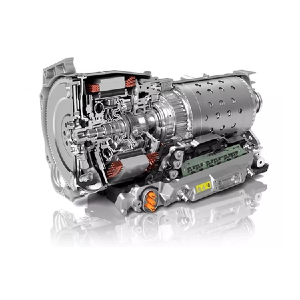
Here are some common signs that may indicate your gearbox valve body requires repair:
Slipping gears: The vehicle unexpectedly shifts out of gear or fails to stay in gear.
Delayed shifting: There is a noticeable delay between the time you shift and when the gears engage.
Warning lights: The check engine or transmission light comes on.
Harsh shifting: You experience hard or jerky shifts when changing gears.
Fluid leakage: Transmission fluid is leaking, leading to low fluid levels.
When deciding whether to repair or replace a gearbox valve body, consider the following:
The age of the vehicle: Older vehicles with high mileage may benefit from a full replacement rather than a repair.
The cost of repair vs. replacement: In some cases, repair costs can approach the cost of replacement, especially if extensive damage has occurred.
The severity of the issue: Minor issues such as clogged channels may be repaired, while more significant damage may warrant a full replacement.
The cost of gearbox valve body repair varies depending on several factors, including the make and model of the vehicle, the severity of the issue, and labor costs. On average, the cost of repairing a valve body ranges from $500 to $1,500, while a full replacement can cost between $2,000 to $3,500.
Here’s a cost comparison table to give you an idea of what to expect:
Service | Repair Cost Range | Replacement Cost Range |
Valve Body Repair | $500 - $1,500 | N/A |
Valve Body Replacement | N/A | $2,000 - $3,500 |
Factors that affect these costs include:
Parts: The price of the valve body itself, whether new, rebuilt, or remanufactured.
Labor: The complexity of the job and the hourly rate of the technician.
Location: Prices may vary depending on where you live.
To prevent issues with your gearbox valve body and extend its lifespan, consider the following tips:
Regular Fluid Changes: Transmission fluid should be changed at regular intervals to ensure that the valve body remains clean and free of contaminants.
Use High-Quality Transmission Fluid: Always use the manufacturer’s recommended transmission fluid for your vehicle.
Address Problems Early: If you notice any signs of shifting problems or fluid leakage, have your vehicle inspected promptly to avoid further damage.
Maintain Proper Fluid Levels: Low fluid levels can lead to insufficient hydraulic pressure, damaging the valve body.
Repairing a gearbox valve body is a practical solution for transmission issues, as long as the damage is not too extensive. With accurate diagnostics, repairs can significantly extend the life of your vehicle’s transmission, helping you avoid the high costs of a full replacement. At Super5 Auto, we specialize in high-quality gearbox valve body repairs and offer expert guidance to ensure your transmission runs smoothly. For more information or to schedule a consultation, feel free to contact us—we’re here to help keep your vehicle in optimal condition.
Signs include slipping gears, delayed or harsh shifting, warning lights, and fluid leaks.
Repairs typically take several hours to a full day, depending on the complexity of the problem.
Yes, cleaning is a crucial part of the repair process to remove contaminants and ensure proper fluid flow.
It depends on the severity of the damage. Minor issues can be repaired, but severe damage may require replacement.
Regular transmission maintenance, including fluid changes, and prompt attention to issues can help extend the valve body’s lifespan.

