
Views: 189 Author: Site Editor Publish Time: 2026-03-18 Origin: Site


Continuously Variable Transmissions (CVTs) have become increasingly popular in modern vehicles due to their smooth driving experience and fuel efficiency. However, as with all car components, CVTs can experience issues over time, leading many car owners to ask, “Can a CVT gearbox be repaired?” In this article, we will explore the feasibility of repairing a CVT gearbox, common repair issues, costs involved, and whether it's worth repairing your CVT gearbox instead of replacing it.
A Continuously Variable Transmission (CVT) is a type of automatic transmission that seamlessly changes through an infinite number of effective gear ratios. Unlike traditional automatic transmissions with a fixed number of gears, a CVT allows for a smoother, more fuel-efficient driving experience.
The key components of a CVT include:
Pulley System: This allows the belt or chain to vary its position, thus altering the gear ratio.
Belt or Chain: Transfers power from the engine to the wheels, adjusting the transmission ratio.
This design provides more flexibility in managing engine power, which is why many hybrid and fuel-efficient vehicles now use CVTs.
While CVTs are known for their smoothness, they are not immune to problems. Common issues include:
Slipping: The car may have difficulty accelerating or maintain inconsistent speeds.
Overheating: CVTs tend to overheat if they are not properly maintained, especially when fluid levels are low.
Unusual Noises: Grinding or whining sounds could indicate problems with the internal components or the pulley system.
Delayed Response: There may be a noticeable delay when shifting gears, which could be a sign of malfunction.
Knowing these signs helps in determining when repair is needed, and whether the damage is something that can be fixed.
It’s important to note that most CVT problems can be repaired, especially if the issue is caught early. Many times, issues such as slipping, overheating, or noise can be fixed without replacing the entire transmission. However, severe internal damage may require a full replacement.
One of the main considerations when dealing with a CVT issue is whether to repair or replace it. Generally, repairing a CVT is a more cost-effective option if the damage is limited to certain parts.
Repair Option | Cost | Time to Repair | Feasibility |
Fluid Replacement | $100 - $300 | 1-2 hours | Commonly needed for overheating issues |
Pulley or Belt Replacement | $500 - $2,000 | 2-4 hours | Feasible if the pulleys or belts are worn |
Complete Transmission Rebuild | $2,000 - $4,000 | 1-2 days | Necessary for extensive internal damage |
Full Transmission Replacement | $4,000 - $8,000 | 2-3 days | Recommended for serious internal issues |
The decision to repair or replace depends on the vehicle’s age, the extent of the damage, and the repair cost compared to the price of a new transmission.
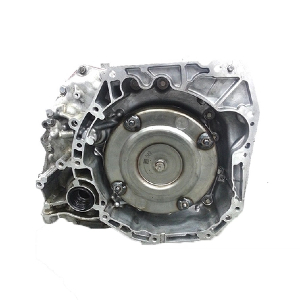
Slipping in a CVT can be caused by worn-out components, including the pulleys or the belt. In such cases, repair typically involves:
Pulley Adjustment: Pulley components may need adjustment to ensure proper engagement of the belt.
Belt Replacement: In cases of significant wear, replacing the belt can restore functionality.
Clutch Repairs: If the clutch system is damaged, it can be repaired or replaced to restore power transfer.
Overheating is one of the most common issues with CVT gearboxes, often caused by:
Low Fluid Levels: CVT fluid is crucial for cooling and lubrication. When fluid levels are low, the transmission can overheat.
Old or Contaminated Fluid: Fluid that has lost its effectiveness can cause friction and lead to overheating.
Repairing overheating issues typically involves:
Flushing and Replacing Fluid: The fluid must be drained, the system flushed to remove contaminants, and fresh fluid added.
Cooling System Checks: The cooling components of the CVT system should also be inspected to ensure there are no blockages or issues.
Noise and vibrations are another common problem, often caused by:
Worn Components: Over time, components like the pulleys or belt may wear down, creating noise or vibration during operation.
Incorrect Fluid: Using the wrong type of fluid can lead to excessive noise.
Repairs for these issues can involve:
Replacing Worn Parts: Pulleys, belts, and even the torque converter may need to be replaced.
Fluid Replacement: Replacing old fluid with the recommended type for smoother operation.
The cost of repairing a CVT gearbox can vary depending on the issue and the vehicle model. Below is an estimated cost range for common CVT repairs:
Repair Type | Cost Range | Description |
Fluid Replacement | $100 - $300 | Replacing old or contaminated CVT fluid to prevent overheating and improve performance. |
Pulley or Belt Replacement | $500 - $2,000 | Replacing worn pulleys or belts to restore the gear-shifting process. |
Internal Components Repair | $2,000 - $4,000 | Rebuilding or replacing damaged components within the CVT, such as bearings or internal gears. |
Full Transmission Replacement | $4,000 - $8,000 | Replacing the entire transmission unit if internal damage is too severe. |
The cost varies depending on the make and model of the vehicle and the specific type of repair.
If the repair costs are significantly lower than the price of a full transmission replacement, it may make sense to repair the CVT. However, if the vehicle is old and the repair costs approach the price of a new car, replacement might be the better option.
While some minor issues, such as fluid replacement, might be handled by a knowledgeable car owner, repairing a CVT yourself is generally not recommended due to the complexity of the system. CVTs require specialized tools and knowledge, and improper repairs can lead to further damage.
Given the complexity of CVTs, seeking professional repair is usually the best option. Professional technicians can:
Accurately diagnose the problem.
Use specialized equipment for repairs.
Ensure the repair is done to manufacturer specifications.
In conclusion, CVT gearboxes can often be repaired, with many common issues fixable without needing a full replacement. However, the decision between repair and replacement depends on the extent of the damage and the vehicle's age. Regular maintenance, including fluid changes and early issue detection, can help extend the life of your CVT and avoid expensive repairs. For expert advice and top-quality CVT repairs, feel free to reach out to us at Super5 Auto, where our skilled team is ready to assist you with all your transmission needs.
Yes, CVT gearboxes can be repaired. Common issues such as slipping, overheating, and noise can typically be fixed, while extensive internal damage may require replacement.
Repair costs vary depending on the issue. Fluid replacement costs around $100 to $300, while pulley or belt replacements can range from $500 to $2,000. A complete transmission rebuild may cost $2,000 to $4,000.
Signs of a failing CVT include slipping, overheating, unusual noises, and delayed gear shifts. If you notice these symptoms, it’s important to have your transmission checked by a professional.
If the repair cost is reasonable compared to the price of a new vehicle, repairing your CVT gearbox is generally worth it, especially if the car is still in good condition.
While minor repairs like fluid replacement can be done by a skilled DIYer, repairing a CVT gearbox requires specialized tools and knowledge. It is usually better to seek professional help.

